Marital muscle memory
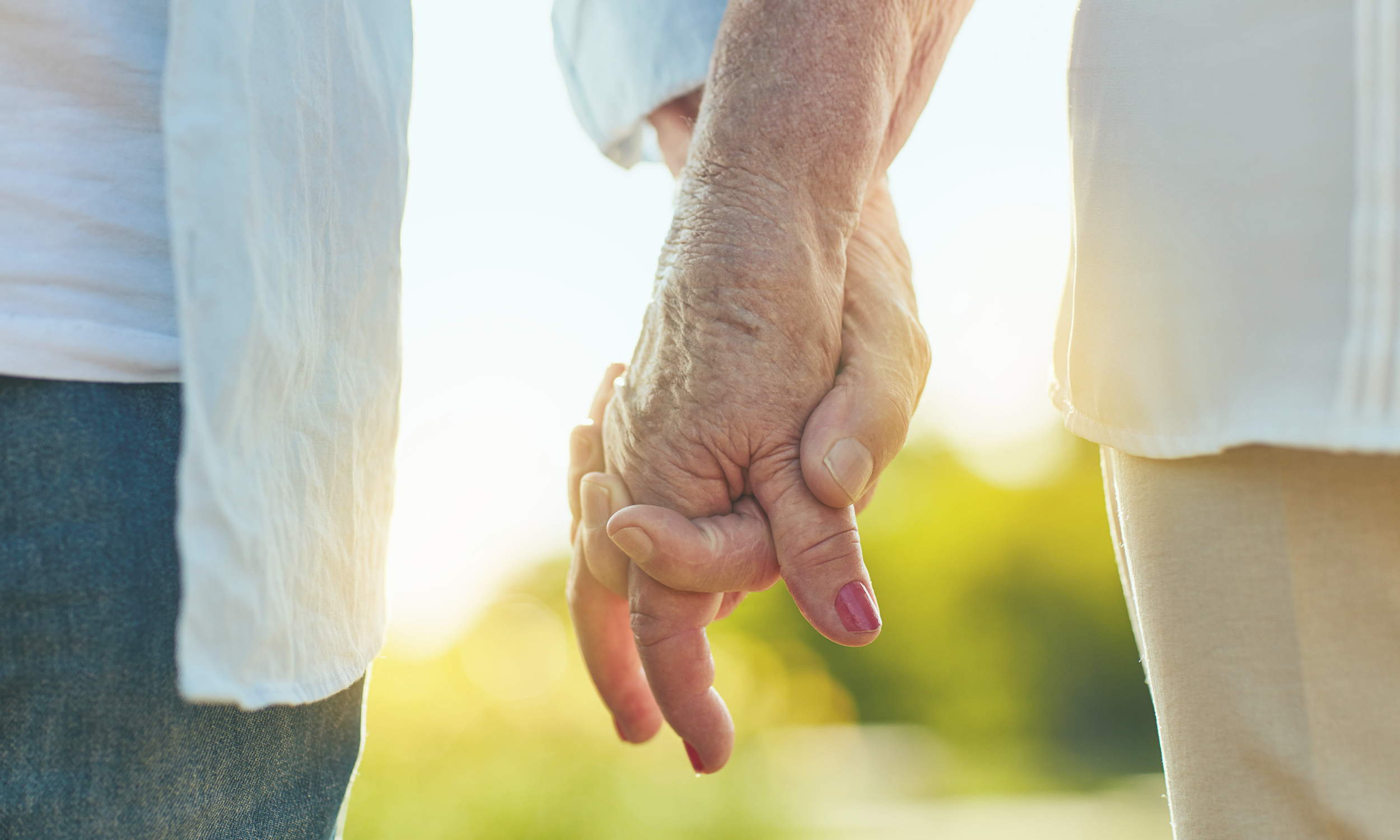
My husband and I recently celebrated our 40th anniversary. I have spent more time with him than anyone else in my life. The other day, my husband began a sentence, and I knew exactly what words were coming before he said them. Forty years together will do that.
There are habitual patterns that form in any relationship over the years - whether a marriage, friendship, parent-child, or sibling relationship. They can even develop in any long-term relationship.
I think of the many muscle memories that live in my relationship with my husband. I laughed when I first heard the term marital muscle memory. And I have received a few raised eyebrows when I mention I am writing a blog post on marital muscle memory. No, ladies, it has nothing to do with THAT muscle! It is not a clinical term at all, just a useful metaphor. Marital muscle memory refers to the behavioural habits, communication styles, and emotional responses that become automatic over the years together.
Forty years together have created dozens of automatic responses between the two of us. My husband turns down the television when I am reading. I know from a single sigh whether he's frustrated or tired. And there is still something reassuring about hearing him moving around the house. We buy each other’s favourite yoghurt, cereal, chips, and toothpaste when shopping. The driver’s seat is adjusted for the other person. Morning coffee is always delivered with a kiss.
Muscle memory also extends to our communication habits. We finish each other’s sentences. I continue to fill silences with conversation. And we know which conversations will push the other person’s buttons.
Then there is the emotional side to our actions. I feel lonely when he is absent, even as I appreciate the solitude. And my body relaxes when he pulls into the driveway, safely home.
Our need for each other continues and has deepened. My husband sleeps better when I am beside him. I feel safe when I am wrapped in his arms. And then there is the comfortable silence of just being together, no words needed.
What marital muscles have atroph?
I told my writing group what I was blogging about. One of the women wondered which muscles atrophy in a long-term marital relationship? The sexy muscle, another responded. And we all laughed.
Yes, there are relationship habits that fade after many years of being together. Perhaps this is what Antoine de Saint-Exupéry meant when he wrote:
“Love does not consist of gazing at each other, but of looking outward together in the same direction.”
Gone is the headiness of the early stage of our relationship when we could not get enough of each other. And there other muscle memories that have diminished over our years together. My husband and I sat down and discussed this - a serious conversation accompanied by laughter. And a good activity to ensure that some of these muscle memories remain strong.
Honest Conversations
These days, we occasionally avoid topics we know will bring discomfort. But we also know how important it is to say what we actually feel. We trust each other enough to be emotionally vulnerable and realized that we need to make more effort to have uncomfortable conversations.
Patience
Okay, we are not as patient with each other as we used to be. Part of that is retirement, I mean, we are together nearly all the time! My husband laughingly suggests that hearing loss also plays a part! Our familiarity with each other sometimes results in frustration. A good reminder that we need to tolerate each other’s quirks and respond, rather than react.
Playfulness
We are no longer as spontaneous as we once were - we haven’t been trying anything new, and we are rarely silly together. Over the years, work, children, and stress have all diminished our sense of playfulness. Finally, though, in our second year of retirement, with freedom and independence, we are slowly returning to playfulness.
Relationship experts suggest there are other marital muscles that fade. These have not affected us as much.
Expressing affection can disappear. We still notice the effort the other makes, compliment each other, and thank each other for ordinary actions. Physical affection can also shift in later years. We still hold hands, touch each other when we pass, and fall asleep - most nights - in each other’s arms.
One of the most neglected muscles, relationship experts say, is no longer truly seeing the other person. Instead, couples begin interacting based on assumptions and familiar scripts. Maybe it is because we are in the early stages of retirement - a new beginning for both of us - that we see each other more clearly than ever before.
Perhaps that is the real work of a long relationship, not just preserving old muscle memories, but noting which ones need strengthening. After forty years together, we are still learning and we will continue to be intentional in exercising the muscles that matter most.