Revealing photographs
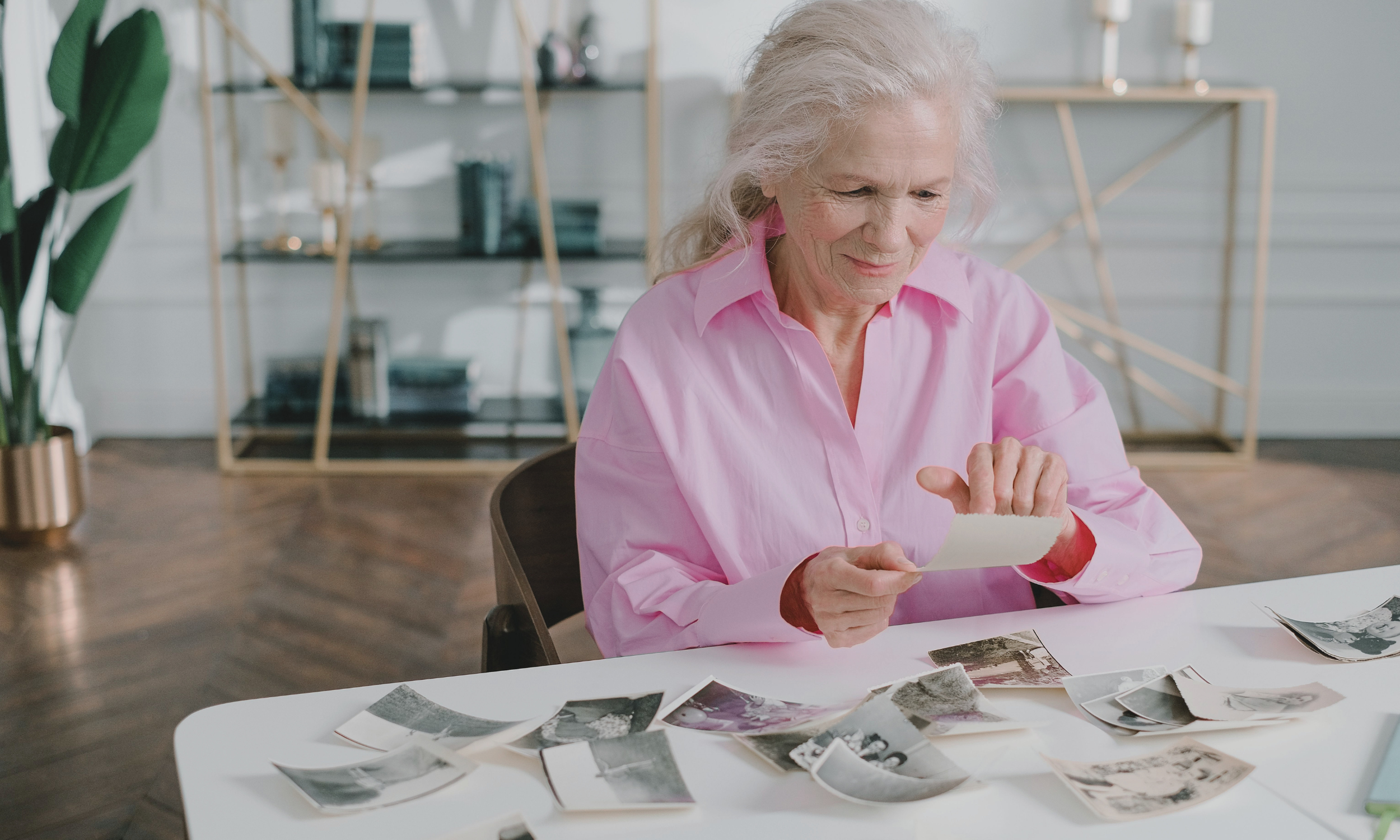
Stock photo from Pexels. SHVETS production.
Earlier this week, I saw my husband had a new screensaver - a photo of me. I cringed when I saw it. I am standing by a bike. The day is windy. My hair blows off my forehead. My sweater clings to every lump and bump. This is not my favourite photo of me.
Why this photo, I asked him. Couldn’t you have found a better one? He gave me that look, the one that seems to convey, I’ll never understand you. He was incredulous. Look at the smile on your face, he said. Don’t you remember that day, and how happy you were?
He was right. I vividly remember that glorious day, even though it happened eight years ago. We were staying in Hoenderloo, a small village on the edge of the Nationale Park de Hoge Veluwe, a 54 km² nature reserve in the Netherlands. A trip that had been on my bucket list for a very long time.
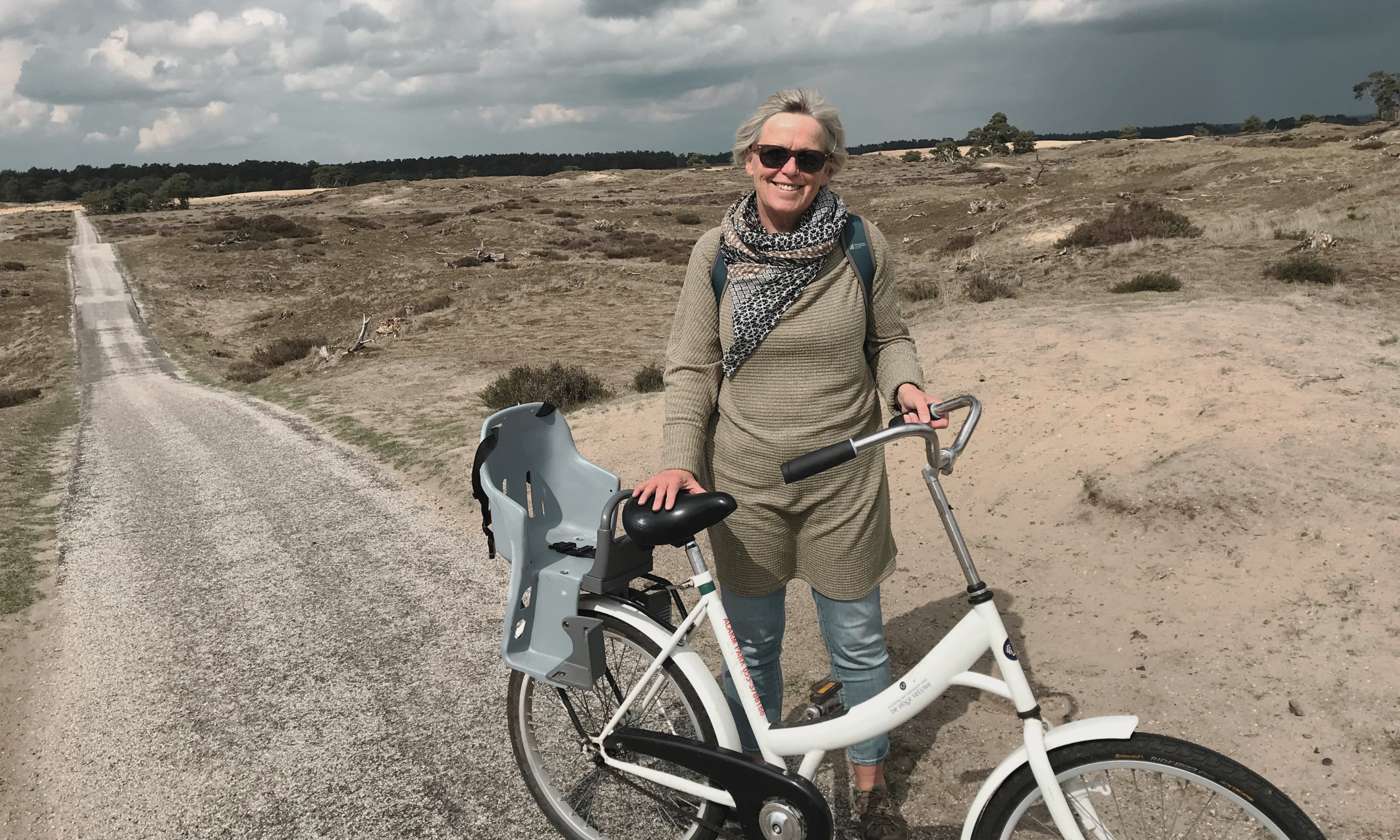
The Hoge Veluwe is home to foxes, badgers, roe deer, wild boar and red deer - and the Kröller-Müller Museum, which houses an extensive Van Gogh collection. The park has 2,000 bikes distributed at the various entrances and main sites, included with the cost of admission. That day, we biked 14 kilometres and walked 20,000 steps. We visited historic buildings, viewed the second-largest Van Gogh collection in the world, and looked for the elusive red deer, which, unfortunately, we never saw.
At the end of each day, we would return to the patio of our pensione for a cold beer and conversations with other visitors, from near and far.
My husband saw that wonderful experience reflected in my photo. I did not. I was too caught up in how I looked to see what the camera had captured.
So that has had me thinking about photographs of myself and what they reveal.
For every photo that I save of myself, I probably delete ten photos, usually because I don’t like the way I look. And yet, when I look at the photos that I do like of myself, it is because I am happy. The photos that mean the most feature family, friends, and pets - or they are taken in locations or moments that fill my heart with wonder and joy. They bring back memories. They tell a story.
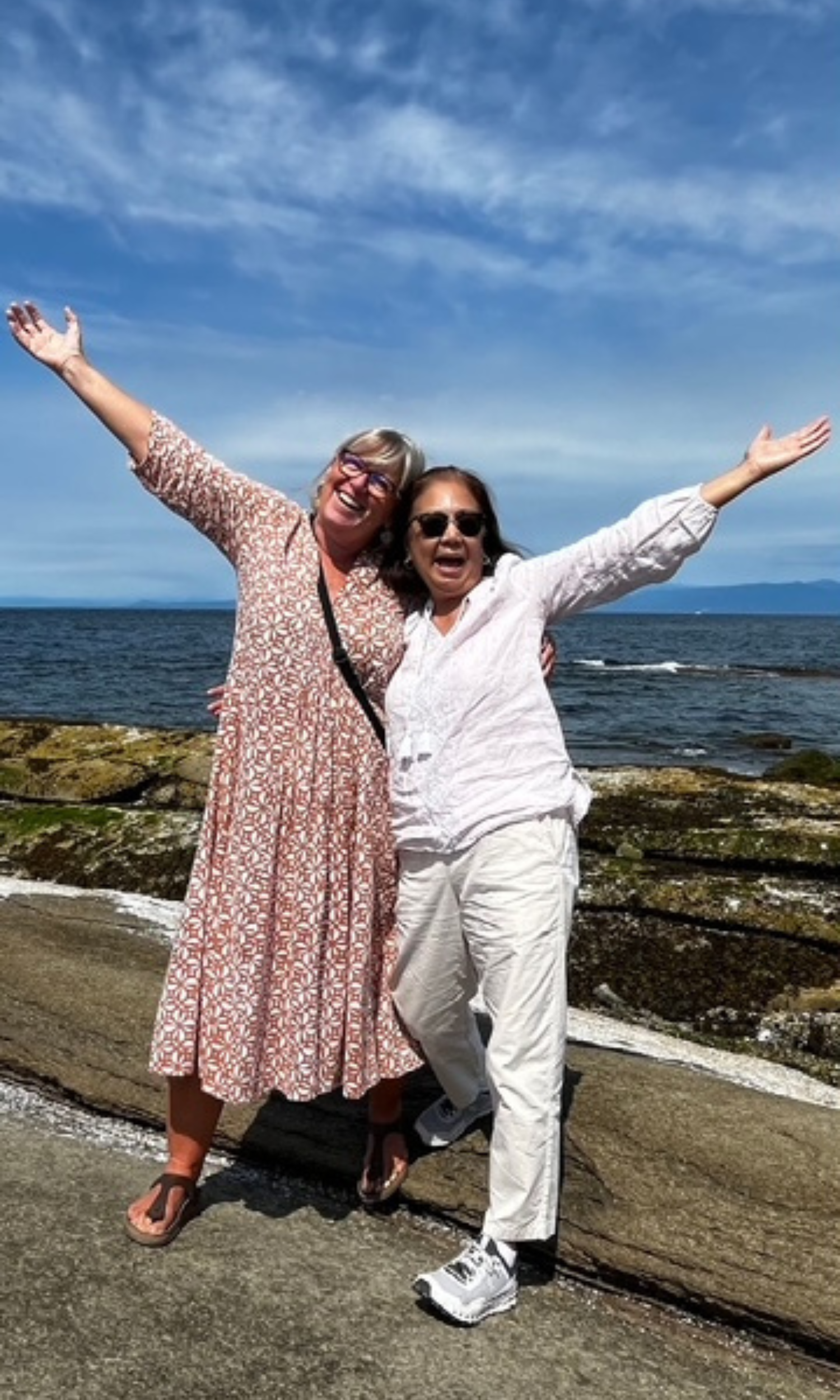

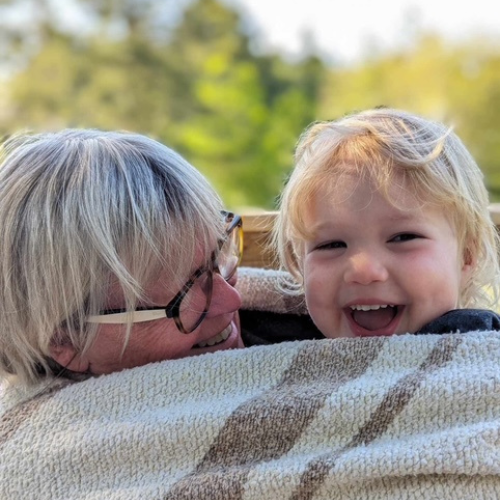
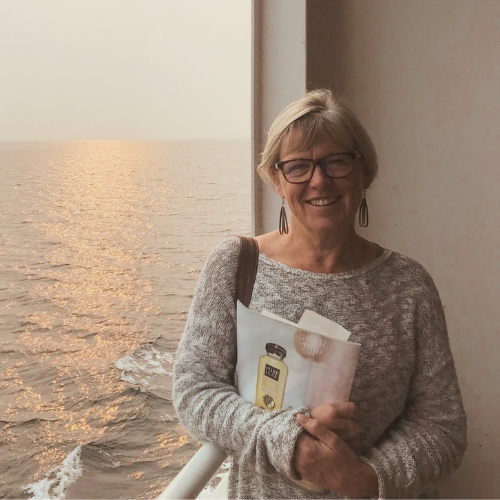
Unfortunately, the story behind a photograph is not always evident in an old photo or to anyone who was not there in the moment. On the other hand, looking at photos many years later can also reveal an insight we are seeing for the first time.
I have a handout for my life story writing workshops that offers a series of questions to help nudge memories. Here are some you might want to consider when you are browsing through old photos:
Who took the photo?
Where was it taken? What details do you remember about the location?
What do you feel when you look at the photo?
Who is touching whom? How? Who keeps their distance? Who is looking at whom? What do facial expressions reveal beyond the smiles?
Who is missing from the photo?
Why might the photographer have framed the image this way?
What immediately draws your eye?
Why was this particular moment photographed?
What happened immediately before or after the shutter clicked?
What story lies outside the edges of the frame?
They say a picture is worth a thousand words. When we look at old photos of ourselves, many years after they were taken, we may see something we had not noticed before. Life experiences alter what we notice, and background details may offer a broader view. We may no longer be as emotionally tied to the photos and may now be able to see certain photos with more clarity. And, as we are used to seeing our mirrored reflection, candid photos of how we used to look may appear completely different to us years later.
These questions invite a richer reflection. They can unlock memories and meaning. My husband’s screensaver photo is still fresh in my mind, and I can remember that day clearly. But in another twenty years, many of those details may have faded. Perhaps, while my memories are fresh, I should write down the story that only I know, so that one day the people who hold this photograph will inherit not just an image, but also the memories and meaning behind it. After all, photographs don't just document appearances, they preserve experiences, relationships, and emotions.