The calm in the storm
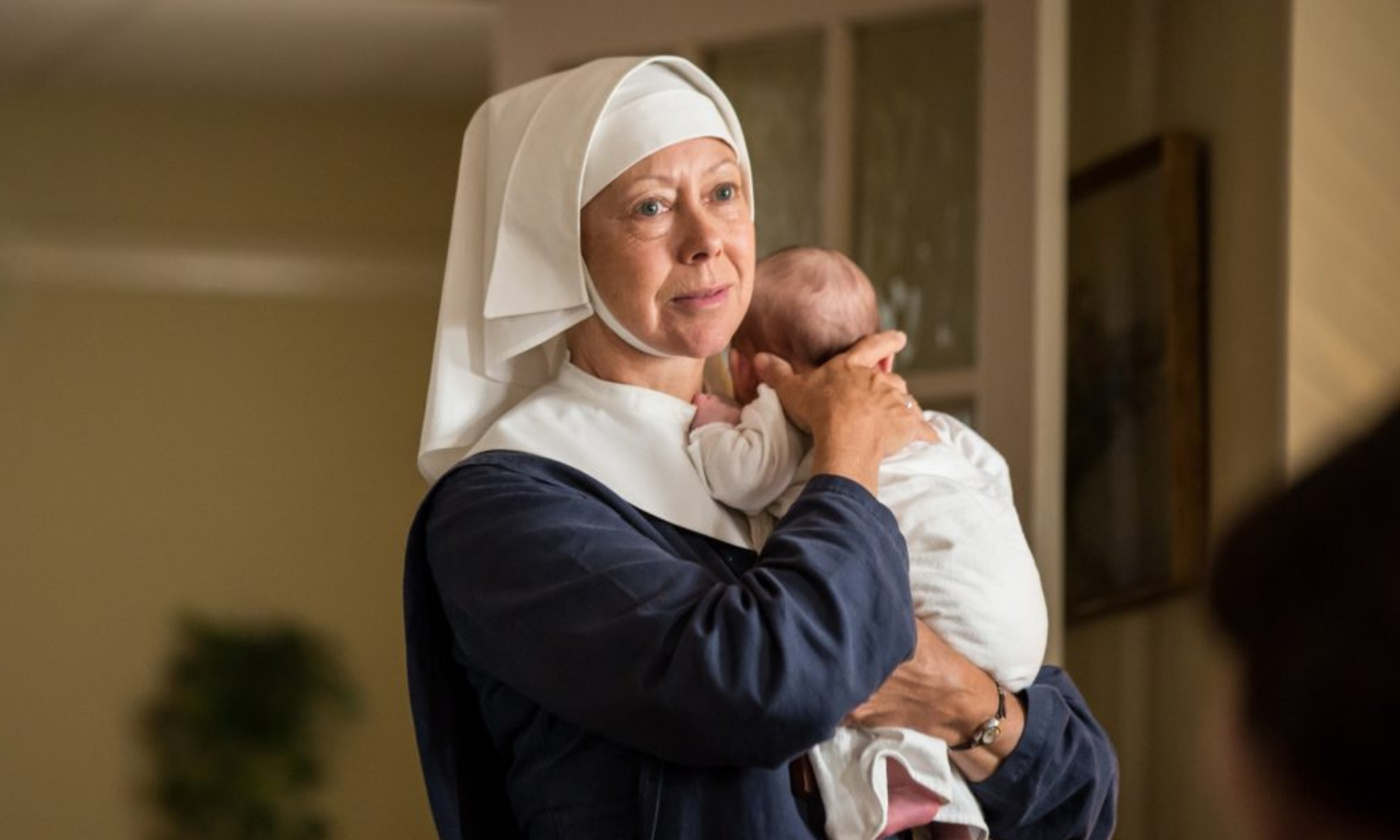
Sister Julienne of Call the Midwife. Played by actor, Jenny Agutter (73).
We all need a reminder that compassion, community, and quiet resilience can help carry us through uncertain times. Recently, I found a small pocket of calm in an unexpected place.
Like many of you, I have been overwhelmed by the news. In early February, headlines included a build up of the Iran conflict, an expanding immigration crackdown in the US, concerns about global security, and rising global protests.
On Sunday morning, February 8th, as my husband prepared to watch the Super Bowl, I curled up under a blanket in my office. The day was warm for that time of year, and the sun was peaking out from behind the clouds, but I just wanted to escape the darkness that was seeping into my life on a daily basis. Little did I know that a television series, watched by nearly 10 million people, would become my calm in the storm.
BritBox is my go-to for entertainment. I have watched nearly every police series from start to finish, from comedic to brutal. On this Sunday morning, I decided to tune in to Call the Midwife, a series I had never watched, thinking that a series set in the impoverished East End of London, featuring nuns delivering babies amidst post-war poverty, would be depressing. How wrong I was.
I decided to start with season 13. The first episode featured midwifery training and the care of a pregnant woman with cerebral palsy. Several hours later, many births witnessed, just after the election of a female mayor, and a serious mistake by a midwife, my husband stuck his head around the door and asked what I was watching. I could not explain to him the comfort this show was giving me. My mood had lifted. I felt hopeful. But it was so much more than that.
From the moment the narrator, Vanessa Redgrave, now 89 years old, began speaking, I felt myself softening, comforted by a quiet voice offering an introduction that was both reflective and philosophical. Her words have been described as “narrations that feel like entries from a well-worn diary or book, focusing on the circle of life”.
I was immediately transported to a community of compassionate, strong, independent women. The nuns, while rooted in their faith, focused on care and support, with little judgment. The skilled midwives not only delivered babies, but also took a personal interest in supporting families.
The female characters in the show are far from perfect - they all have at least one characteristic that irritates: self-absorbed, bossy, cantankerous, naive. I found the passive softness of Shelagh Mannion, a former nun in the series, irritating. It seems many viewers agree. She is just too perfect, far too patient and kind. And yet I don’t doubt her sincerity.
Sister Monica Joan, the oldest nun in the order, played by 90-year-old Judy Parfitt, was for me, another character difficult to warm up to. Initially, I found her condescending and smug. As I got to know her, I came to believe that she is a well-educated woman, possibly in the early stages of dementia, who approaches things from a broader context. She offered an aha moment for me that has provided some grounding for this world we are living in today. In one episode, a character mentions the stench during a trash collectors' strike. Sister Monica Joan replies: “She needs to grow a spine. Yes, the trash looks bad, smells gross, and is inconvenient. But we can deal with it, just like we dealt with the war. It’ll pass.”
It will pass. In the East End of London, people were dying from Weil’s disease, transmitted through the urine of infected rats. These days? Well, I don’t need to tell you how people are suffering. But it will pass. I don’t write that in an attempt to diminish the horrors of today. But there were horrors in the past, and there will certainly be more in the future. History tends to repeat itself. Hopefully, in between, we will find some grace.
The Guardian says Call the Midwife is the perfect Sunday night television show. Viewers describe it as safe, comforting, and nostalgic, with a ‘cosy’ atmosphere while still dealing with significant life issues.
The show does not shy away from difficult topics - stillbirth, incest, mental illness, domestic violence, and racism. Yet there is dignity and a focus on hope.
The show has also been called a ‘subversive’ drama that highlights the often terrifying realities of working-class women's lives in the mid-20th century.
It is all of this and more. It is a portrayal of kindness and the power of sisterhood. It is a show that honours and gives a voice to older women. And that provides me with some calm in this current storm.
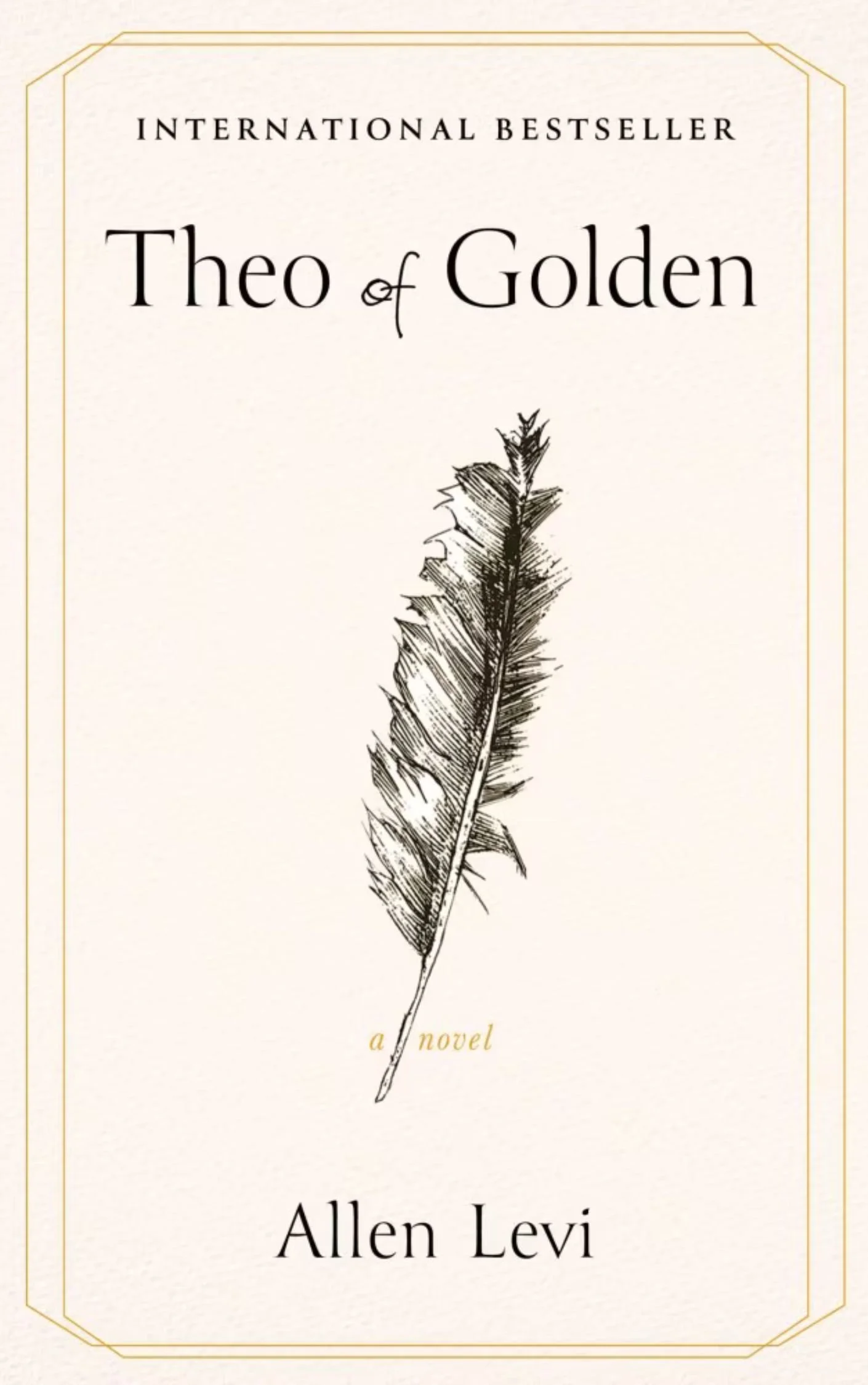
This week, I read Theo of Golden by Allen Levi. “Theo asks a lot more questions than he answers. Theo visits the local coffeehouse, where ninety-two pencil portraits hang on the walls, portraits of the people of Golden done by a local artist. He begins purchasing them, one at a time, and putting them back in the hands of their “rightful owners.” With each exchange, a story is told, a friendship born, and a life altered.” (Simon and Schuster)
This book also provided some calm in this current storm. A story of kindness, beauty in everyday life, and how thoughtful actions can ripple through a community. If you enjoy a gentle, character-driven story, then you will love Theo of Golden.
Do you find comfort in movies or books? What have you have read or watched lately that would provide us some calm in the storm?