The gift of age in a shaken world
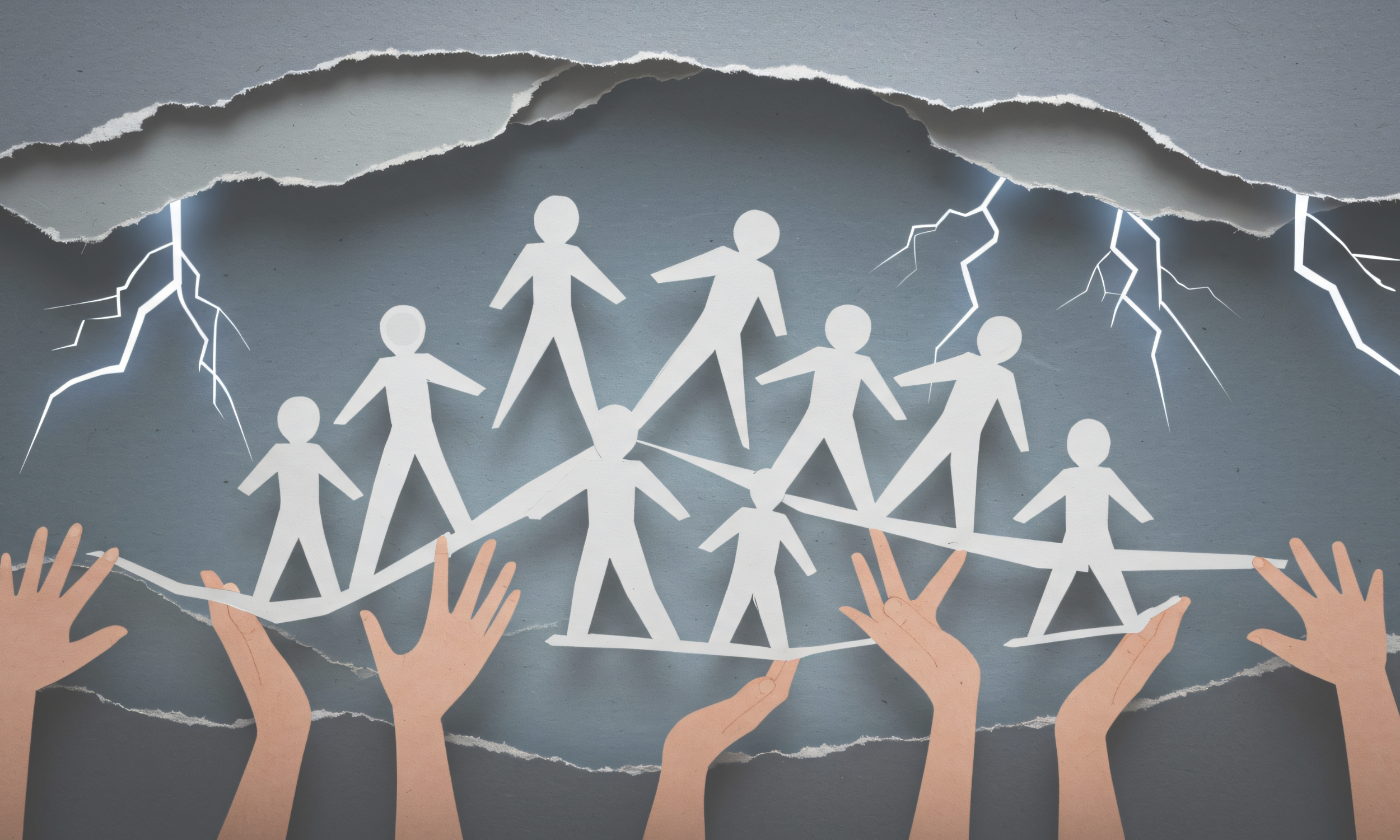
Once again, I am drawn to the news, often checking headlines two to three times a day. While I am thankful that age has gifted me the wisdom that helps me adapt rather than resist challenging circumstances, I remain numb with fear and sorrow.
During the pandemic, I took comfort in the advice offered by Aisha Ahmad, an assistant professor of political science at the University of Toronto and an expert in international security. She came to my attention with a piece she wrote for the journal, the Chronicle of Higher Education - Why You Should Ignore All That Coronavirus-Inspired Productivity Pressure.
Ahmad has worked and lived under conditions of war, violent conflict, poverty, and disaster in many places around the world. She has experienced food shortages and disease outbreaks, as well as long periods of social isolation, restricted movement, and confinement. Her words about adapting to the crisis conditions surrounding the pandemic seem just as apropos these days as we experience a different but very real crisis.
In my 2020 blog post, Calamity is a great teacher, I shared Ahmad’s stages of adapting to the conditions of crises.
A more recent article she wrote as to why some some Canadians are in denial about Donald Trump also offers some relevance. I won’t go into a detailed summary of the article; you can read it for yourself. What I found interesting were her remarks on the importance of acceptance during a crisis.
In this article, she writes that the denial some people are expressing has less to do with politics or economic frustration than it does with psychology. Cognitive biases often prevent us from accurately assessing the shocks impacting our security.
Ahmad writes, “From peacekeepers to politicians to ordinary civilians, I have seen how cognitive biases can cause rational, intelligent people to ignore valuable evidence, even at great peril…Allowing denial to persist leaves them dangerously unprepared to face real-world threats. But denial only serves to delay the essential process of acceptance, which will allow us to reimagine ourselves in this new reality.”
Even those of us who are not in denial and recognize the threat, may minimize the approaching danger. This is called a normalcy bias. Ahmad says this is why many people fail to evacuate quickly when they are forewarned about wildfires, hurricanes, earthquakes, and even wars. “Why? Because security threats don’t feel close until your windows start to shake.”
While we may have an advantage because of our age, I know that many of you also feel numb with fear and sorrow. So what can we do? Here are some tips to survive tough times.
Accept the situation
Many aspects of the changing world are outside our individual control. Accepting the situation can free us up to devote our energy to the things that we do have control over.
Focus on what you can control. Give yourself permission to let go of the things you can’t control.
Accept your feelings
Unpleasant emotions exist whether you choose to acknowledge them or not. Don’t put on a brave face. Trying to stop emotions from surfacing will only fuel stress, delay acceptance of the new situation, and prevent moving on. Allow yourself to feel your emotions.
Grieve your loss
Tough times usually involve some type of loss. Allow yourself time to sit with your grief. Acknowledging and mourning loss can help you heal.
Reach out to others
Draw strength, ease stress, and make sense of all the change and disruption by connecting with friends and family. Connecting with people carries significant health benefits.
And be there for others. Did you know that older people often display catastrophe compassion? We have a strong desire to help others during disasters rather than withdrawing. Our collective memory from living through past crises helps us adapt and maintain a healthy level of well-being. Our life experiences help us manage uncertainty and handle unexpected challenges. We have skills and wisdom to share in supporting those we love and care about.